

A Practical Synthesis of Neurological Science & Holistic Transformation
NEURO-TRANSFORMATION FRAMEWORK
Introduction & Core Concepts
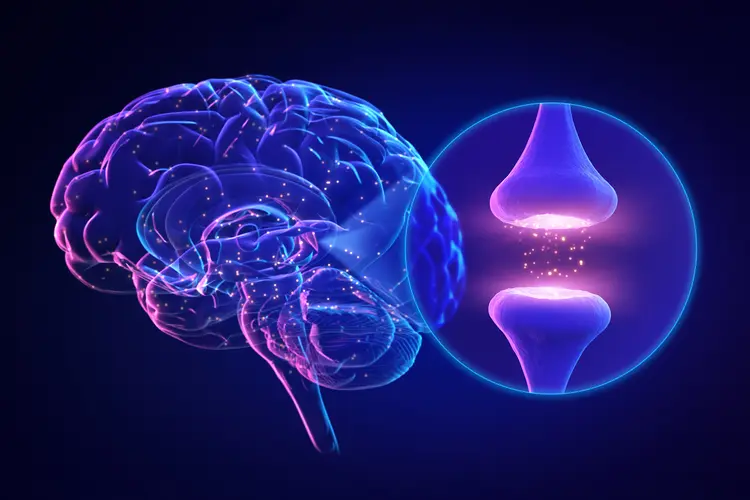
Rewiring the brain—scientifically referred to as neuroplasticity—is the nervous system’s capacity to change its
structure and function in response to intrinsic or extrinsic stimuli. For decades, the medical consensus held that the
adult brain was relatively rigid. Modern neurology turns this assumption on its head: your brain is dynamic,
continuously adapting to repetitive thoughts, emotional responses, and lifestyle design.
To build a comprehensive blueprint for neuro-transformation, this framework integrates two complementary
perspectives: the Neurological Viewpoint (physiological architecture — dopamine, chronic stress, sleep) and the
Holistic Viewpoint (subconscious architecture — limiting beliefs, negative thought loops, behavioral identity).
The 5-Step Practical Neuro-Transformation Protocol
1 Audit the Default Neural Baseline
Before transformation begins, map your default states. Identify ‘invisible stress’—the background digital fatigue
draining your prefrontal cortex. Catalog your most frequent unprompted self-talk loops and environmental
triggers.
2 Interrupt Automatic Loops via Question Reframing
When a negative loop activates (‘Why am I failing?’), your brain treats it as a search query. Interrupt by changing
the query structure to constructive, solutions-based constraints—starving the old emotional path of its electrical
reinforcement.
3 Deploy Micro-Resolutions to Stabilize Dopamine
Structure actions into small milestones. Completing micro-resolutions produces predictable, metered dopamine
spikes, transforming temporary effort into a sustainable, compounding loop without metabolic exhaustion.
4 Enforce Physiological Neuro-Recovery
True neural restructuring cannot occur inside an exhausted system. Your brain clears metabolic byproducts and
consolidates short-term updates into permanent memory during deep sleep. Protect recovery by limiting
high-dopamine inputs before rest.
5 Anchor the Shift with Self-Identity Alignment
Long-term habits persist when integrated into core identity. View changes as reflections of who you are—not
isolated actions to track. This reduces inner friction and ensures rewritten neural pathways operate naturally over
time.
The Kinetic Rule of Plasticity
Neural pathways obey a classic adaptation principle: repetition, focused attention, and emotional dopamine weight build
structural, automated tracks over time.strength = R × ∫ (F · D) dt
Repetition × (Focus · Dopamine Weight) over Time
“Calm is the optimal operating engine.”